
Why Your Business Is Not Getting Customers Online: 9 Painful Reasons & Secret Fixes
“If your website traffic isn’t turning into revenue, you are likely wondering why your business is not getting customers online despite all your efforts.”
Running a business today means being visible online. Your customers search Google, check Instagram pages, compare websites, and read reviews before deciding.
But what happens when your business is online, and customers are still not coming? But the question is: Why your business is not getting customers online?
You may have a website. You may post on social media. You may even spend money on ads. Still, the results may feel disappointing.
“Understanding the core reasons why your business is not getting customers online is the first step toward fixing your digital funnel.”
If you are wondering why your business is not getting customers online, the problem may not be your product or service. In many cases, the real issue is how your business is presented, discovered, and marketed online.
The good news is that most of these problems can be fixed.
In this guide, we will explain the most common reasons businesses struggle to attract customers online. You will also learn practical steps to improve your website, SEO, social media, advertising, and overall marketing strategy.
Let’s begin.

Section 1 – Website Design & UX
- Explanation: “A confusing layout or slow loading speed is often the primary reason why your business is not getting customers online.”
- Action step/Fix: “When you fix basic navigation and mobile usability, you solve a major piece of why your business is not getting customers online.”
Section 2 – Targeting the Wrong Audience
- Explanation: “Reaching everyone means reaching no one—this disconnect explains why your business is not getting customers online.”
- Fix/Takeaway: “Refining your buyer persona directly addresses why your business is not getting customers online through mismatched traffic.”
Section 3 – Weak SEO / Local SEO
- Under Local SEO: “If your competitors rank higher on Google Maps, that is clearly why your business is not getting customers online from your local area.”
- Fix: “Optimizing your Google Business Profile will quickly resolve why your business is not getting customers online when nearby users search.”
Section 4 – Social Media Mistakes
- Under ‘Why?’: “Posting without engagement or a clear call to action is another common reason why your business is not getting customers online.”
- Fix/Takeaway: “Shifting from vanity metrics to conversion-focused content solves why your business is not getting customers online via social channels.”
Section 5 – Lack of Trust / Social Proof
- Explanation: “Without genuine reviews and case studies, skeptical visitors bounce—explaining why your business is not getting customers online.”
- Fix: “Adding real client testimonials tackles the root trust issue behind why your business is not getting customers online.”
Section 6 – Complex Checkout / Enquiry Process
- Explanation: “Too many form fields create friction, which is often why your business is not getting customers online at the final step.”
- Fix: “Simplifying your lead form eliminates a huge obstacle and fixes why your business is not getting customers online.”
Section 7 – Inconsistent or Poor Value Proposition
- Explanation: “If visitors don’t immediately get what sets you apart, that confusion is why your business is not getting customers online.”
- Fix: “Clarifying your USP removes the ambiguity causing why your business is not getting customers online.”
Section 8 & 9 – Ad Strategy & Retargeting
- Explanation: “Burning ad budget without a retargeting funnel is a costly reason why your business is not getting customers online.”
- Fix: “Running simple remarketing campaigns helps fix why your business is not getting customers online from first-time ad traffic.”
Why Your Business Is Not Getting Customers Online
Before changing your marketing strategy, you need to understand one important thing:
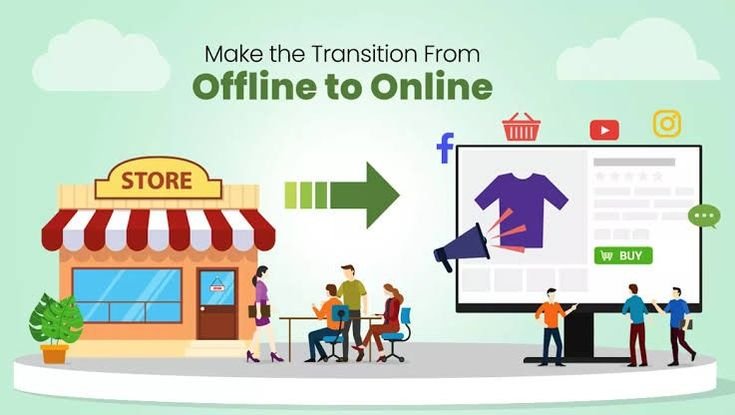
Being online does not automatically mean getting customers.
Many business owners believe that creating a website or opening an Instagram account is enough. But customers need more than just your online presence.
They need to:
- Find your business.
- Understand what you offer.
- Trust your business.
- See why they should choose you.
- Take an easy next step.
If even one of these steps is missing, you may lose potential customers. That’s why your business is not getting customers online.
For example, imagine someone searches for “best salon near me.” Your salon may offer excellent services, but if your Google Business Profile is incomplete, your competitors may receive the customer instead.
Similarly, your website may look attractive, but if visitors cannot quickly understand your service or contact you, they may leave without taking action.
Online growth is not about being present everywhere. It is about creating a clear path from search → trust → enquiry → customer.
You want to grow your business online visit:Adverola
1. Your Target Audience Is Not Clearly Defined
One of the biggest reasons businesses struggle online is that they try to market to everyone.
A business owner may say:
“My product is useful for all types of customers.”
That sounds positive, but it creates a marketing problem.
If your message is too broad, people may not feel that your business is specifically meant for them.
Why This Creates a Problem
Different customers have different needs.
For example:
- A student wants affordable services.
- A startup wants fast growth.
- A large company wants professional support.
- A local shop wants more nearby customers.
- An e-commerce brand wants more online sales.
Each audience needs a different message.
If your website says only:
“We provide quality digital solutions.”
It does not clearly explain who you help or what result you provide.
A better message would be:
“We help small businesses generate more leads through websites, SEO, and performance marketing.”
This is clearer and more useful. Go to our Service page.
How to Fix It:
Define your ideal customer using these questions:
- Who is your customer?
- What problem are they facing?
- What are they trying to achieve?
- What stops them from buying?
- Why should they choose your business?
Example
Instead of targeting:
Everyone who needs marketing
Target:
Small business owners who want more enquiries from Google and social media.
A clear audience makes your content, ads, website, and offers much stronger.
2. Your Website Is Not Converting Visitors Into Customers
Getting website visitors is only one part of online marketing.
The bigger question is:
What do visitors do after reaching your website?
Why your business is not getting customers online.
If people visit your website but do not call, submit a form, send a WhatsApp message, or make a purchase, your website may have a conversion problem.
This is another major reason why your business is not getting customers online.
Common Website Problems
Your website may be losing potential customers because:
- The headline is unclear.
- Visitors cannot understand your service quickly.
- There is no strong call-to-action.
- Contact details are difficult to find.
- The website loads slowly.
- The design looks outdated.
- The website is not mobile-friendly.
- There is not enough trust-building information.
- Your service pages are too generic.
Example of a Weak Headline
“Welcome to Our Digital World”
This sounds creative but does not explain anything.
Example of a Strong Headline
“Get More Leads and Grow Your Business With Result-Focused Digital Marketing”
The second headline tells visitors:
- What you do.
- Who benefits.
- What result they may get.
How to Improve Your Website
Make sure your homepage clearly includes:
- A strong headline.
- A short explanation of your service.
- Your main benefits.
- Testimonials or proof.
- Clear service sections.
- A visible contact button.
- A simple enquiry form.
- A strong call-to-action.
Your website should answer this question within a few seconds:
“Why should I choose this business?”
3. Your Business Is Not Visible on Google
Many customers do not discover businesses through Instagram. They find them through Google.
They search for things like:
- Digital marketing agency near me
- Best dentist in Gurgaon
- Website designer in Dehradun
- Makeup artist near me
- Best coaching institute
- Local interior designer
- Affordable gym near me
If your business does not appear when people search for your services, you may be missing valuable customers.
Why Google Visibility Matters
People searching on Google often already have a problem they want to solve.
For example:
Someone searching for:
“AC repair near me”
is more likely to need an AC repair service than someone casually watching an Instagram video.
This is why search visibility is important for local and service-based businesses.
Common Google Visibility Problems
Your business may not be appearing because:
- Your website is not optimized for relevant keywords.
- Your Google Business Profile is incomplete.
- Your business information is inconsistent.
- You have very few reviews.
- Your website has weak local content.
- Your competitors have stronger SEO.
- Your website is not indexed properly.
- Your service pages do not target clear search terms.
How to Fix It
Start with:
- Google Business Profile optimization.
- Local keyword research.
- Location-based service pages.
- Helpful blog content.
- Consistent business information.
- Customer reviews.
- Internal linking.
- Technical SEO improvements.
For local businesses, Local SEO can be one of the most effective ways to attract customers who are already searching for nearby services.
4. Your Social Media Content Is Not Reaching the Right People
Posting regularly does not guarantee business growth.
Many businesses post content every day but still receive very few enquiries.
Why?
Because content should not only be attractive. It should also be relevant to the right audience.
Common Social Media Mistakes
Businesses often:
- Post without a clear strategy.
- Copy competitors.
- Focus only on promotional content.
- Use generic captions.
- Ignore customer pain points.
- Post inconsistent content.
- Do not use strong hooks.
- Never explain their actual value.
- Fail to include a clear next step.
Example of Generic Content
“We provide the best services. Contact us today.”
This does not give people a reason to care.
Better Content Example
“Getting website visitors but no enquiries? Here are 3 reasons your website may be losing customers.”
This content addresses a real problem.
Use the 3-Part Content Strategy
Your content should include:
Educational Content
Teach something useful.
Example:
“5 SEO mistakes local businesses should avoid.”
Trust-Building Content
Show proof and experience.
Example:
“How we improved a business website’s lead generation process.”
Conversion Content
Give people a reason to contact you.
Example:
“Need help improving your online presence? Book a free consultation.”
Social media should move people from awareness → interest → trust → action.
5. Your Ads Are Targeting the Wrong Audience
Paid advertising can bring fast traffic. But traffic alone does not guarantee customers.
If your ads are reaching people who are not interested in your offer, your budget may be wasted.
This is one of the most common reasons businesses ask why my business is not getting customers online even after running ads.
Common Ad Problems
Your campaigns may struggle because:
- Audience targeting is too broad.
- The ad message is unclear.
- The offer is weak.
- The landing page does not match the ad.
- The creative does not attract attention.
- There is no proper tracking.
- You are optimizing for clicks instead of leads.
- The form asks too many questions.
- You are not testing different creatives.
Example
Suppose you run ads for a premium website design service.
If your ad targets everyone aged 18–65 without considering business ownership, interests, location, or intent, many people may click without becoming customers.
How to Improve Your Ads
Focus on:
- Clear audience targeting.
- Strong problem-based messaging.
- Relevant landing pages.
- Simple lead forms.
- Multiple creative variations.
- Conversion tracking.
- Retargeting campaigns.
- Regular performance analysis.
Your ad should answer:
“Why should this person stop scrolling and take action?”
6. Your Business Does Not Build Enough Trust
Customers are careful before spending money with an unfamiliar business.
Even if your service is excellent, people may hesitate if they cannot find proof that your business is trustworthy.
Trust is especially important for:
- Digital agencies.
- Consultants.
- Coaches.
- Service providers.
- E-commerce brands.
- Healthcare businesses.
- Financial services.
- High-ticket businesses.
What Makes Customers Trust a Business?
Customers often look for:
- Reviews.
- Testimonials.
- Portfolio examples.
- Case studies.
- Clear contact information.
- Professional website design.
- Business address.
- Social media activity.
- Transparent pricing or process.
- Helpful content.
Example
Imagine two agencies offer similar services.
Agency A has only a basic website.
Agency B has:
- Portfolio projects.
- Client testimonials.
- Clear service pages.
- Helpful blogs.
- Professional contact details.
- A detailed process.
Many customers may feel more comfortable contacting Agency B.
How to Build Trust Online
Add these elements to your website:
Testimonials
Show genuine customer feedback.
Case Studies
Explain the problem, process, and result.
Portfolio
Display your previous work.
About Page
Explain who you are and what your business stands for.
Clear Process
Show customers what happens after they contact you.
Trust reduces hesitation and makes visitors more likely to enquire.
7. Your Marketing Strategy Is Inconsistent
Another important reason why your business is not getting customers online is inconsistency.
Some businesses post for one week, run ads for three days, write one blog, and then stop.
Online growth rarely works like that.
Marketing requires consistent effort and regular improvement.
What Inconsistency Looks Like
- Posting randomly.
- Changing strategies every week.
- Stopping SEO too early.
- Running ads without testing.
- Ignoring website updates.
- Not replying to enquiries quickly.
- Publishing content without tracking results.
Why Consistency Matters
Different marketing channels work at different speeds.
For example:
- SEO may take time to build visibility.
- Social media builds awareness over time.
- Paid ads need testing and optimization.
- Email marketing improves with a growing audience.
- Content marketing builds trust gradually.
If you stop too early, you may never see the full benefit.
Create a Simple Marketing System
A basic weekly plan could include:
- 3 social media posts.
- 2 short-form videos.
- 1 helpful blog section or content update.
- Google Business Profile activity.
- Ad performance review.
- Lead follow-up.
- Website improvement.
Consistency does not mean doing everything every day.
It means following a clear system.
8. You Are Not Following Up With Potential Customers
Sometimes your marketing is working, but your follow-up process is weak.
A person may:
- Fill out your form.
- Send a WhatsApp message.
- Ask for pricing.
- Comment on your post.
- Download a guide.
- Request more information.
But if nobody follows up properly, the lead may disappear.
Why Follow-Up Matters
Not every customer is ready to buy immediately.
Some people need:
- More information.
- Time to compare options.
- A pricing discussion.
- Answers to questions.
- Proof of your work.
- A reminder.
If you do not follow up, your competitors may convert that person instead.
Common Follow-Up Mistakes
- Replying too late.
- Sending only “Hi”.
- Not understanding the customer’s need.
- Giving unclear pricing.
- Not answering questions.
- Not using a proper CRM or lead sheet.
- Never following up after the first conversation.
Better Follow-Up Process
When someone contacts you:
- Reply quickly.
- Understand their requirement.
- Ask relevant questions.
- Explain the right solution.
- Share useful information.
- Give a clear next step.
- Follow up professionally.
A good marketing system should not stop when someone becomes a lead.
It should continue until the lead becomes a customer.
9. Your Offer Is Not Clear or Compelling
Sometimes the problem is not traffic, SEO, or ads.
The problem is the offer itself.
Customers need to understand:
What exactly am I getting, and why is it worth paying for?
If your offer is confusing, people may leave without taking action.
Weak Offer Example
“We provide complete digital solutions.”
This is too broad.
Stronger Offer Example
“Get a professional business website designed to generate enquiries and build customer trust.”
The second offer is more specific.
A Strong Offer Should Explain
- What you provide.
- Who it is for.
- What problem it solves.
- What makes it useful.
- What the customer should do next.
Improve Your Offer With Clear Packages
For example:
Starter Website Package
- Professional website.
- Mobile-friendly design.
- Contact form.
- Basic SEO setup.
Growth Marketing Package
- Social media strategy.
- Meta Ads management.
- Lead tracking.
- Monthly performance reporting.
Clear packages make it easier for customers to understand your services.
How to Fix Your Online Marketing Problems
If you are facing several of these issues, do not try to fix everything at once.
Start with the basics.
Step 1: Audit Your Online Presence
Check:
- Website.
- Google Business Profile.
- Social media profiles.
- Reviews.
- Contact information.
- Service pages.
- Website speed.
- Mobile experience.
Step 2: Understand Your Customer
Identify:
- Their problem.
- Their search behavior.
- Their budget.
- Their location.
- Their buying concerns.
Step 3: Improve Your Website
Make your website:
- Clear.
- Fast.
- Mobile-friendly.
- Trustworthy.
- Easy to navigate.
- Focused on conversions.
Step 4: Improve Your Google Visibility
Work on:
- Local SEO.
- Keyword research.
- Google Business Profile.
- Helpful blogs.
- Internal links.
- Service pages.
Step 5: Create Better Content
Focus on:
- Customer questions.
- Pain points.
- Educational topics.
- Useful examples.
- Clear calls-to-action.
Step 6: Review Your Advertising
Check:
- Who sees your ads?
- What message are you using?
- Where do users land?
- Are leads relevant?
- Is conversion tracking active?
Step 7: Track Your Results
Measure:
- Website traffic.
- Leads.
- Conversion rate.
- Cost per lead.
- Organic clicks.
- Engagement.
- Enquiry quality.
You cannot improve what you do not measure.
A Simple Online Customer Journey
A successful online marketing system usually follows this path:
1. Discovery
The customer finds your business through Google, social media, ads, or content.
2. Interest
They visit your website or profile.
3. Trust
They check reviews, portfolio, content, and business information.
4. Action
They call, submit a form, send a message, or purchase.
5. Follow-Up
You respond and guide them toward the next step.
6. Conversion
The lead becomes a paying customer.
If your business is losing customers, identify where the journey is breaking.
For example:
- No traffic → visibility problem.
- Traffic but no enquiries → conversion problem.
- Enquiries but no sales → offer or follow-up problem.
- Good leads but low closing rate → sales process problem.
This approach helps you solve the actual issue instead of guessing.
When Should You Consider Professional Digital Marketing Help?
You may benefit from professional support if:
- You do not know which marketing channel to use.
- Your website gets traffic but no leads.
- Your ads spend money without clear results.
- Your Google rankings are not improving.
- Your social media lacks direction.
- You do not have time to manage marketing.
- You want a clear growth strategy.
- You are unsure how to measure results.
A digital marketing professional can help you identify gaps, create a strategy, improve campaigns, and track performance.
However, the right approach should always begin with understanding your business goals—not simply selling you more services.
Final Thoughts
If you are asking why your business is not getting customers online, remember that the answer is rarely just one thing.
Your business may be struggling because:
- The right audience is not being targeted.
- Your website is not converting visitors.
- Your business is difficult to find on Google.
- Your content is not reaching the right people.
- Your ads are poorly optimized.
- Customers do not trust your brand yet.
- Your marketing is inconsistent.
- Your follow-up process is weak.
- Your offer is unclear.
The solution is to build a complete online customer journey.
Your goal should not be simply to get more views or website visitors.
Your goal should be to attract the right people, build trust, and make it easy for them to become customers.
With the right strategy, consistent effort, and regular improvement, your online presence can become a valuable source of business growth.
Need help improving your website, SEO, paid ads, or online marketing strategy? Explore Adverola’s digital marketing services and discover how a clear, result-focused strategy can support your business growth.
FAQ SECTION
Frequently Asked Questions
Why is my business not getting customers online?
Your business may not be getting customers because of poor visibility, unclear messaging, weak website conversion, incorrect audience targeting, low trust, or inconsistent marketing.
How can I get more customers online?
You can attract more customers by improving SEO, creating useful content, optimizing your website, running targeted ads, building trust, and following up with leads.
Does having a website guarantee customers?
No. A website helps establish your online presence, but it must also be optimized for visibility, user experience, trust, and conversions.
How long does digital marketing take to show results?
The timeline depends on the strategy. Paid ads may generate leads quickly, while SEO and content marketing usually require consistent effort over time.
“Understanding the timeline helps set realistic expectations while diagnosing why your business is not getting customers online.”
Should small businesses invest in SEO?
Yes. SEO can help small businesses attract people who are actively searching for their products or services. Without proper optimization, search invisibility remains a major reason why your business is not getting customers online.
Why are my ads getting clicks but no customers?
Your ads may be attracting the wrong audience, or your landing page, offer, messaging, or follow-up process may not be converting visitors into leads. Fixing post-click alignment will immediately solve this pattern of why your business is not getting customers online.
Conclusion
“Identifying the exact bottlenecks behind why your business is not getting customers online is half the battle won.”
Follow this simple checklist to permanently eliminate the reasons why your business is not getting customers online.
- Opening summary: “Now that you understand why your business is not getting customers online, it’s time to take action.”
- Checklist point: “Audit your analytics monthly to identify new bottlenecks and discover why your business is not getting customers online.”
- Final CTA: “Don’t let guesswork dictate your revenue; fix why your business is not getting customers online today and start converting visitors into paying clients.”
