
SEO & Organic Growth: 7 Proven Steps to Double Your Search Traffic
Achieving scalable SEO & organic growth is the most cost-effective way to generate predictable commercial revenue for modern businesses. In an environment where pay-per-click advertising costs rise continuously, relying entirely on paid acquisition strains profit margins and leaves your customer pipeline vulnerable to sudden budget cuts.
When you master SEO & organic growth, every published content asset functions as a permanent digital investment. Instead of paying for every visitor who clicks a sponsored link, search engines deliver qualified prospective buyers directly to your conversion funnels at zero marginal cost.
However, driving SEO & norganic growth requires more than writing generic blog posts and hoping search algorithms notice your domain. Modern search engines evaluate technical crawl efficiency, topical authority clusters, user engagement signals, and backlink trust profiles simultaneously. Without a structured framework, your organic visibility stalls.
In this comprehensive, 3000+ word execution blueprint, we examine seven proven steps to accelerate your SEO & organic growth. We outline exact operational workflows, technical architectures, and content production systems to double search traffic without paid ads via adverola.com.
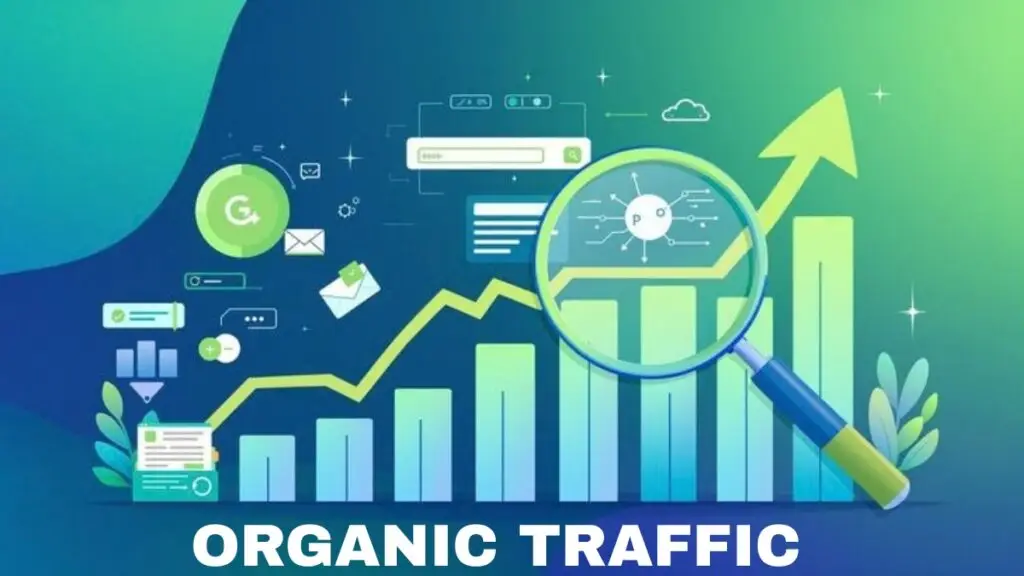
The Compounding Mechanics Behind SEO & Organic Growth
Prioritizing SEO & organic growth creates compounding acquisition equity that paid media campaigns cannot match over time. A disciplined approach to SEO & organic growth guarantees steady audience acquisition at minimal marginal cost.
Unlike paid advertising campaigns that stop generating leads the moment you pause your media spend, organic optimization delivers compounding returns over time. Understanding this underlying economic model is essential for long-term planning.
To align with search quality standards, review the official Google Search Central guidelines on creating helpful content.
Acquisition Economics Comparison:

Paid Advertising Model:
[ Ad Spend ($$$) ] ──► [ Linear Traffic ] ──► [ Budget Paused ] ──► [ Zero Traffic ]

SEO and Organic Growth Model:
[ Upfront Asset Build ] ──► [ Initial Indexation ] ──► [ Authority Compounding ] ──► [ Zero-Ad-Cost Traffic ]
During the initial phase of SEO & organic growth, progress can feel gradual. Search engines must crawl your pages, validate your technical architecture, and measure real user engagement metrics before awarding top rankings. Once topical authority takes hold, search traffic grows exponentially without requiring proportional increases in operational expenditure.
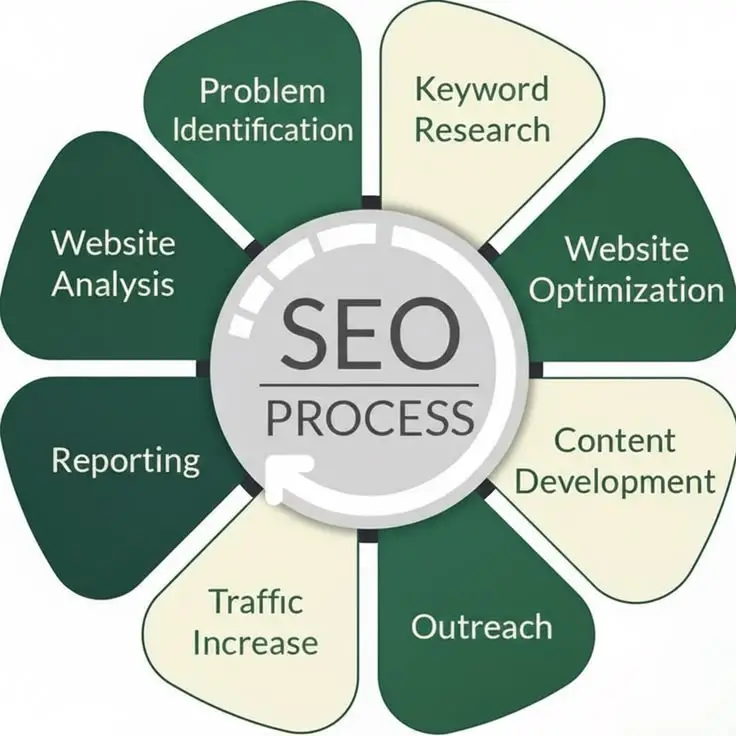
7 Proven Steps to Accelerate SEO & Organic Growth
To double your search impressions and capture commercial intent, deploy these seven core optimization systems across your web infrastructure:
adverola
7-Step Organic Growth Blueprint:

├── 1. Technical Site Architecture & Core Web Vitals Optimization
├── 2. Bottom-of-Funnel Keyword Intent Mapping & Commercial Topic Clusters
├── 3. Semantic Content Engineering & Comprehensive Topic Depth
├── 4. Strategic Internal PageRank Distribution & Silo Construction
├── 5. Systematic Content Refresh Cycles & Decay Prevention
├── 6. Authority Link Acquisition via Digital PR & Original Research
└── 7. Conversion Rate Optimization (CRO) for Organic Landing Funnels
Step 1: Technical Site Architecture and Core Web Vitals Optimization
The foundation of sustainable SEO & organic growth is a clean, accessible technical infrastructure. If search engine spiders encounter crawl errors, infinite redirect chains, or slow page render times, your content will struggle to reach page one.
Resolving underlying server crawl traps protects your SEO & organic growth from sudden algorithmic drops. Modern search crawlers evaluate mobile responsiveness, making technical stability the primary bedrock of your SEO & organic growth.
Eliminating Crawl Traps and Preserving Crawl Budget
Search engines assign every domain a finite crawl budget. When technical errors force crawlers to waste resources on junk URLs, valuable commercial pages remain unindexed.
Key technical requirements:
- Inspect your
robots.txtfile to ensure CSS, JavaScript, and essential media folders remain fully accessible to user agents. - Audit all redirect rules to eliminate multi-hop redirect chains (
URL A -> URL B -> URL C). Every redirect must resolve directly in a single hop. - Ensure all indexable URLs return clean
200 OKstatus codes, while deleted legacy assets return strict404or410 Goneresponses.
Technical Crawl Health Flowchart:

[ Search Crawler Access ]
            │
            ▼
   [ robots.txt Open? ] ──► (No) ──► Crawl Blocked (Traffic Lost)
            │ (Yes)
            ▼
   [ Fast Server Response (TTFB < 0.8s) ]
            │
            ▼
   [ Core Web Vitals Passed (LCP < 2.5s, CLS < 0.1) ]
            │
            ▼
   [ Clean Indexation Granted ]
Optimizing Core Web Vitals for Mobile-First Indexing
Google evaluates the mobile version of your site to calculate search rankings sitewide. Prioritizing SEO and organic growth requires meeting Core Web Vitals performance benchmarks:
- Largest Contentful Paint (LCP): Keep the loading time of your primary visual elements below 2.5 seconds.
- Interaction to Next Paint (INP): Ensure page responsiveness to clicks and taps remains under 200 milliseconds.
- Cumulative Layout Shift (CLS): Prevent unexpected layout jumps by declaring explicit dimensions on all image and video containers, maintaining a score below 0.1.
For official developer standards on technical indexation, consult the Google Search Central guidelines on creating helpful content. Maintaining high technical standards protects your visibility across adverola.com.
Step 2: Bottom-of-Funnel Keyword Intent Mapping
Many businesses struggle with SEO & organic growth because they chase vanity search volumes rather than commercial intent. Generating 50,000 visitors to a basic informational article that never converts produces low business value compared to driving 2,000 visitors to high-intent commercial landing pages.
Mapping commercial intent terms directly channels high-converting leads through your SEO & organic growth framework. Aligning commercial queries with buyer intent proves why targeted SEO & organic growth drives tangible pipeline revenue.
Search Intent Funnel Architecture:

[ Informational Intent: 70% of Search Queries ] ──► "What is marketing automation?"
                      │
                      ▼
[ Commercial Investigation: 20% of Search Queries ] ──► "Best marketing automation platforms"
                      │
                      ▼
[ Transactional / Conversion Intent: 10% of Search Queries ] ──► "HubSpot vs Marketo pricing & integration"
Structuring Content Around Commercial Realities
To double search revenue, map your keyword targets into distinct lifecycle stages:
- Commercial Comparison Queries: Target alternative and versus keywords (
Product A vs Product B) to capture buyers in final evaluation phases. - Pricing and Evaluation Terms: Build transparent pricing guides and budget breakdown pages that resolve financial objections upfront.
- Use-Case Landing Silos: Create specialized service pages addressing specific industry pain points rather than broad generic solutions.
Focusing on commercial search intent ensures your SEO & organic growth translates directly into pipeline revenue.
Step 3: Semantic Content Engineering and Topic Clustering
Search engines no longer rely on simplistic keyword repetition to understand page relevance. Modern machine learning models evaluate semantic context, entities, and topical completeness.
Building comprehensive topic clusters proves vital for achieving SEO & organic growth across competitive enterprise sectors. This topical clustering model accelerates your SEO & organic growth by satisfying deep search intent.
Topic Cluster Model:

                 [ Comprehensive Pillar Hub: Core Guide ]
                                    │
       ┌────────────────────────────┼────────────────────────────┐
       ▼                            ▼                            ▼
[ Cluster Sub-Topic 1 ]    [ Cluster Sub-Topic 2 ]    [ Cluster Sub-Topic 3 ]
(Technical Blueprint)      (Strategic Framework)      (Troubleshooting Guide)
Building Comprehensive Topic Clusters
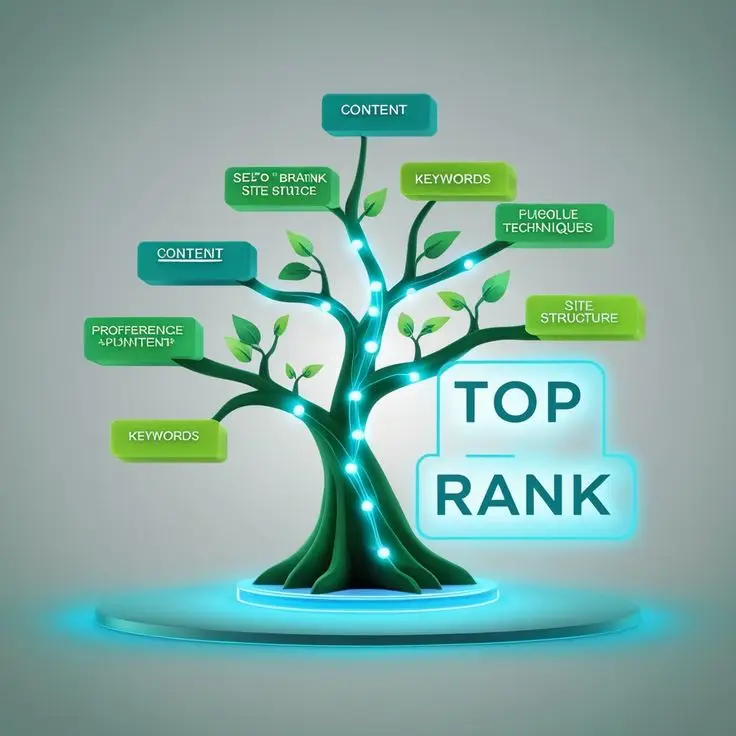
To establish topical authority, do not publish disconnected, random blog posts. Instead, organize your content into tightly connected topic hubs:
- The Pillar Page: A comprehensive, broad guide covering every core aspect of a subject (such as this guide to SEO and organic growth).
- Cluster Content: Deep-dive supporting articles addressing specific sub-topics, tools, and technical processes.
- Bi-Directional Contextual Hyperlinks: Every supporting cluster post must link back up to the main pillar page, and the pillar page must reference every supporting sub-topic.
When search engine crawlers explore your topic cluster, they recognize your site’s depth of expertise across the entire subject area, boosting rankings across all related keywords.
Step 4: Strategic Internal PageRank Distribution and Siloing
Internal links act as the circulatory system of your website, passing authority (PageRank) from high-performing pages to newer content assets. A disorganized linking structure limits your SEO & organic growth.
Internal Authority Flow Architecture:

[ Authoritative Homepage / Resource Hub ]
                    │
                    ▼  (High PageRank Transfer)
        [ Primary Category Silo ]
                    │
                    ▼  (Contextual Anchor Text)
         [ Commercial Pillar Guide ] ◄── Mutual Lateral Links ──► [ Supporting Case Study ]
Best Practices for Internal Link Architecture
- Use Descriptive, Keyword-Rich Anchor Text: Avoid generic phrases like “click here” or “read this.” Use descriptive phrases that clearly state what the destination page covers.
- Keep Click Depth Shallow: Ensure every critical commercial page can be reached within three clicks from your homepage. Pages buried five or six clicks deep receive minimal crawl priority.
- Audit for Orphaned Pages: Regularly crawl your site to locate published URLs that have zero internal links pointing to them. Orphaned pages rarely rank well because search engines perceive them as low-priority content.
Connecting relevant articles across adverola.com ensures search crawlers navigate your entire content catalog smoothly.
Step 5: Systematic Content Refresh Cycles to Prevent Decay
Publishing fresh content is only half the battle. Over time, previously high-ranking articles suffer from content decay as statistics age, broken links accumulate, and competitors publish newer guides. Sustaining long-term SEO & organic growth requires regular content maintenance.
Content Decay Lifecycle:

[ Publication ] ──► [ Ranking Climb ] ──► [ Peak Traffic ] ──► [ Gradual Decay ] ──► [ Systematic Refresh ] ──► [ New Traffic High ]
    (Month 1)           (Months 2-6)        (Months 6-12)       (Months 12-18)            (Month 19)              (Months 20+)
The Quarterly Content Revitalization Protocol
Audit your analytics dashboards quarterly to locate URLs that have lost 20% or more of their peak traffic:
- Update Outdated Information: Replace old statistics, outdated industry examples, and retired tool references with current data.
- Expand Topic Depth: Add new sections answering emerging user questions from “People Also Ask” search result boxes.
- Enhance Visual Readability: Break up dense text blocks with clean tables, bulleted lists, and practical diagrams.
- Fix Broken Hyperlinks: Repair or replace dead outbound links and outdated internal redirects.
Updating existing content frequently delivers faster ranking recoveries than building brand-new URLs from scratch.
Step 6: Authority Link Acquisition via Digital PR and Original Data
Backlinks remain one of the most influential ranking factors in organic search algorithms. A high-ranking website must earn editorial endorsements from trusted external publications to support its SEO & organic growth.
High-Yield Link Acquisition Strategies:

├── Proprietary Industry Research & Original Data Reports
├── Comprehensive Free Diagnostic Tools & Calculators
├── Strategic Expert Commentary & Executive Digital PR
└── Detailed Unbranded Visual Frameworks & Process Diagrams
Earning Backlinks Naturally
Low-quality link schemes—such as private blog networks (PBNs) or paid spam directories—risk search engine penalties. Instead, focus on earning high-quality editorial links:
- Publish Original Industry Surveys: Survey professionals in your niche and release proprietary data benchmarks. Media outlets and bloggers routinely link to original statistical sources.
- Create Interactive Tools and Calculators: Develop simple, browser-based calculators that solve practical problems. Interactive tools naturally earn organic citations across educational and industry forums.
- Provide Expert Editorial Commentary: Connect with journalists covering your industry to contribute expert analysis and commentary for upcoming features.
Authoritative backlinks elevate your domain’s overall trust signals, lifting search positions across all published content.
Step 7: Conversion Rate Optimization (CRO) for Organic Traffic
Increasing search traffic delivers minimal business value if visitors leave without taking action. The final step in this framework connects SEO & organic growth directly to lead generation and sales conversion.
Organic Conversion Architecture:

[ Organic Search Visitor Lands on Blog Post ]
                      │
                      ▼
[ Inline Interactive Asset / Contextual Lead Magnet ]
                      │
                      ▼
[ High-Value Low-Friction Offer (Template, Calculator, Audit) ]
                      │
                      ▼
[ Automated Email Educational Nurturing Sequence ]
                      │
                      ▼
[ Sales-Qualified Discovery Call Booked ]
Aligning Call-to-Action Elements with Search Intent
- Informational Queries: Offer ungated interactive tools, downloadable templates, or detailed checklists that expand on the article’s topic.
- Commercial Comparison Queries: Provide transparent product comparison charts, one-click sandbox demos, or detailed case study breakdowns.
- Transactional Queries: Display clear, low-friction scheduling calendars and direct contact forms without unnecessary fields.
Optimizing your conversion funnels ensures growing organic search volume translates into sustained revenue growth on adverola.com.
Comprehensive Channel Matrix: SEO and Organic Growth vs. Alternative Acquisition
Use this strategic comparison table to evaluate how organic search compares against other common acquisition channels:
| Performance Metric | SEO and Organic Growth | Paid Search (Google Ads) | Paid Social (Meta/LinkedIn) | Cold Outbound Sales |
| Initial Time to Results | 3 to 9 Months | 24 to 72 Hours | 24 to 48 Hours | 2 to 4 Weeks |
| Long-Term Unit Economics | High ROI (Compounding) | Flat CAC Floor | Fluctuating CAC | Linear Labor Cost |
| Traffic Resilience | High (Multi-Year Assets) | Drops to Zero when Paused | Drops to Zero when Paused | Dependent on Outreach Volume |
| User Trust Signals | High (Editorial Results) | Moderate (Sponsored Tag) | Low to Moderate | Low (Cold Pitch Resistance) |
| Scalability Limitations | Search Volume Caps | Media Budget Limits | Creative Fatigue Limits | Sales Team Headcount |
5 Critical Mistakes That Derail SEO & Organic Growth
Even experienced teams make avoidable strategic errors that suppress their organic visibility. Watch out for these five common mistakes:
- Targeting Unrealistic Keyword Difficulties Early On: Brand-new domains should not attempt to rank for competitive, single-word commercial queries. Build topical momentum using long-tail keyword variations first.
- Neglecting Mobile User Experience: Hiding content blocks or using small, unclickable buttons on mobile layouts causes high bounce rates that damage search rankings.
- Allowing Keyword Cannibalization to Persist: Publishing multiple articles targeting the same core search query forces search engines to choose between your competing pages, diluting rankings for both.
- Ignoring Technical Crawl Directives: Failing to configure canonical tags or accidentally blocking asset folders in
robots.txtcan derail an otherwise solid content strategy. - Treating Content Publication as a One-Time Task: Abandoning published articles without regular updates allows competitors to outrank your decaying pages over time.
90-Day Implementation Timeline to Double Your Organic Search Traffic
To execute this SEO & organic growth framework systematically, follow this phased quarterly roadmap:
90-Day Operational Roadmap:

[ Days 1 - 30: Technical Foundation & Architecture ]
  ├── Resolve 404 errors, redirect chains, and robots directives
  └── Optimize Core Web Vitals to pass mobile performance tests
                   │
                   ▼
[ Days 31 - 60: Commercial Intent Mapping & Pillar Content Build ]
  ├── Conduct bottom-of-funnel keyword intent research
  └── Publish authoritative pillar guides and supporting topic clusters
                   │
                   ▼
[ Days 61 - 90: Authority Building & Conversion Optimization ]
  ├── Launch targeted digital PR and original data outreach campaigns
  └── Refine inline conversion funnels to capture qualified enterprise leads
Month 1: Technical Remediation (Days 1 to 30)
- Conduct a full technical crawl to uncover broken links, redirect loops, and orphaned URLs.
- Audit your mobile page speeds and optimize media formats to pass Core Web Vitals.
- Validate structured JSON-LD schema markup across all service pages and blog templates.
Month 2: Content Production and Clustering (Days 31 to 60)
- Identify your highest-value commercial search terms and develop supporting topic clusters.
- Publish authoritative pillar guides that provide comprehensive answers to primary search queries.
- Establish clean internal linking pathways between parent categories and cluster articles.
Month 3: Authority Building and Funnel Calibration (Days 61 to 90)
- Launch targeted outreach campaigns around proprietary industry data to earn editorial backlinks.
- Deploy inline lead magnets and interactive calculators to capture contact details from organic visitors.
- Review search query impressions in Google Search Console and refine meta tags on pages close to page-one rankings.
Frequently Asked Questions
How long does it take to see tangible results from SEO & organic growth?
Most domains experience measurable improvements in search impressions and keyword rankings within 90 to 120 days of executing a structured strategy. Earning top rankings for competitive commercial terms typically requires six to twelve months of consistent content clustering, technical optimization, and link building.
Can a business achieve organic growth without producing blog content?
Yes. E-commerce platforms, software providers, and service directories can drive organic growth by optimizing product category filters, building programmatic landing pages, and creating interactive software tools. However, publishing authoritative informational content remains one of the most effective ways to build the topical authority needed to rank commercial pages.
Why is my organic traffic not converting into paying clients?
Traffic without conversions usually indicates a mismatch between keyword search intent and your landing page experience. If your content attracts users seeking broad definitions rather than solutions to active business problems, conversion rates remain low. Realigning your keyword targeting toward bottom-of-funnel commercial terms resolves this issue.
How often should technical SEO audits be conducted?
Websites should undergo automated weekly health checks to spot crawl anomalies, broken redirects, and server errors. In-depth quarterly audits should evaluate site architecture, backlink profile health, Core Web Vitals, and structured data compliance.
Final Strategic Takeaway: Build a Sustainable Acquisition Moat
Achieving sustainable SEO & organic growth requires moving beyond isolated marketing tactics. Real organic success comes from building an integrated digital system—combining fast technical infrastructure, authoritative topic clusters, and conversion-focused landing experiences.
Focus on solving real customer problems, maintain high technical standards, and update your content assets regularly. Over time, search engines will recognize your domain’s depth of expertise, delivering compounding organic traffic and qualified sales opportunities to adverola.com.